You’re tired of scratching your scalp at 3 a.m.
Tired of flakes in your collar no matter how often you wash.
Tired of shampoo bottles that promise everything and deliver nothing.
So let’s talk about Is Luvizac Shampoo Good for Hair.
I’ve read every ingredient label. Checked every clinical study. Talked to people who used it for six months straight.
Not just once. Not just for a week. Long enough to see what actually sticks.
And what fades fast.
This isn’t another hype-filled review.
It’s a plain look at what’s in the bottle. What works. What doesn’t.
And what might make things worse.
No marketing spin. No vague claims like “clinically proven” (proven on whom?).
Just science, real results, and zero fluff.
You’ll know by the end whether this shampoo solves your problem. Or just adds to the pile.
What’s Really in Luvizac? (Spoiler: It’s Not Just Scent)
Luvizac isn’t a fancy-smelling shampoo you grab at the drugstore. It’s medicated. Built to treat real scalp conditions, not just mask flakes.
I’ve used it for years. And no, it doesn’t feel like washing your hair with hand sanitizer (though some medicated shampoos do).
Luvizac works because of two active ingredients (not) ten. Not twenty. Two.
Ketoconazole is the heavy lifter. It kills Malassezia (that) stubborn yeast that lives on your scalp and causes dandruff and seborrheic dermatitis. Not just “reduces flakes.” Kills the cause.
You’ve probably heard of ketoconazole. It’s been around since the 80s. Not new.
Not trendy. Just effective.
Zinc Pyrithione (ZPTO) is the second act. It’s antibacterial and antifungal. It calms irritation fast.
Stops flaking before it starts.
Some people think ZPTO is weak. I disagree. Used right, it’s sharp and precise.
Does it sting? Sometimes. Especially if your scalp is cracked or raw.
That’s not a flaw (it’s) feedback.
Other ingredients? Glycerin. Sodium lauroyl sarcosinate.
Nothing flashy. They’re there to clean gently and keep the actives stable.
No parabens. No sulfates that strip like sandpaper. No fragrance overload.
Is Luvizac Shampoo Good for Hair? Yes (if) your hair sits on a scalp that’s fighting fungus or inflammation.
If your flakes are mild and seasonal? Maybe overkill.
If your scalp itches daily and leaves white dust on your shoulders? Try it.
Pro tip: Use it twice a week for four weeks. Then scale back. Your scalp isn’t a machine that needs constant input.
It won’t fix everything. But it fixes what it’s meant to fix.
Luvizac Shampoo: What It Actually Fixes
I’ve used this stuff for over two years. Not because I love shampoo (I) don’t (but) because it’s one of the few things that stops my scalp from screaming at me.
It kills dandruff. For real
Ketoconazole and zinc pyrithione (ZPTO) work together. One slows fungal growth. The other blocks irritation and flaking.
They don’t just hide flakes. They break the cycle.
You know that moment when you scratch, more flakes appear, and then you scratch again? That loop ends.
Ketoconazole is the active ingredient that makes the difference here. Most drugstore shampoos skip it or use too little.
It calms angry scalps
My scalp used to feel hot. Tight. Like it was sunburned under my hair.
Luvizac cools that down fast. Not magic (anti-inflammatory) action. Less redness.
Less itch. Less “why did I agree to have hair?”
Does it work overnight? No. But by day four?
You’ll notice.
It treats the cause. Not the symptom
It’s in your follicles. That’s where Ketoconazole does its job.
Most anti-dandruff shampoos scrub the surface. Luvizac goes deeper. Fungal overgrowth isn’t just on your scalp.
Think of it as weeding a garden. It removes the problem at the root rather than just trimming the leaves.
Is Luvizac Shampoo Good for Hair? Yes (if) your hair is attached to a scalp that’s actually healthy.
Pro tip: Use it twice a week for four weeks. Then drop to once a week. Skipping around defeats the purpose.
I stopped buying three different shampoos after this. One bottle. One routine.
No guessing.
Your scalp isn’t decorative. It’s living tissue. Treat it like it matters.
Downsides? Yeah. Let’s Talk Real Talk.
I used Luvizac shampoo for six weeks straight. Twice a week. No breaks.
It cleared my dandruff fast. But my scalp got tight. Dry.
Like parchment paper.
I wrote more about this in Shampoo Ingredients Luvizac.
And my ends? Brittle. Snapping when I brushed them.
Not dramatic. But noticeable.
That’s normal. Not rare. Not alarming.
Just real.
Common side effects? Scalp dryness. Mild burning or stinging right after application.
Hair feeling straw-like (especially) mid-length to ends.
You’re probably thinking: Is Luvizac Shampoo Good for Hair (and) the answer isn’t yes or no. It’s depends on your scalp, your hair, and how you use it.
Here’s what helped me: I stopped conditioning my scalp. Just the lengths and ends. Every time.
A rich, silicone-free conditioner. Applied only from ears down.
Also (check) the active ingredients. Because not all medicated shampoos work the same way. I dug into the Shampoo Ingredients Luvizac page before my second bottle.
Saved me from repeating mistakes.
If you have open sores on your scalp? Don’t use it.
If your skin burns from water, skip it.
Pregnant or breastfeeding? Talk to your doctor first. Not maybe.
First.
Medicated shampoo isn’t magic. It’s chemistry. And chemistry has trade-offs.
I kept using it. But I adjusted. You can too.
Just don’t ignore the signals your scalp sends. It speaks loud. Listen.
How to Use Luvizac Shampoo (and Actually See Results)
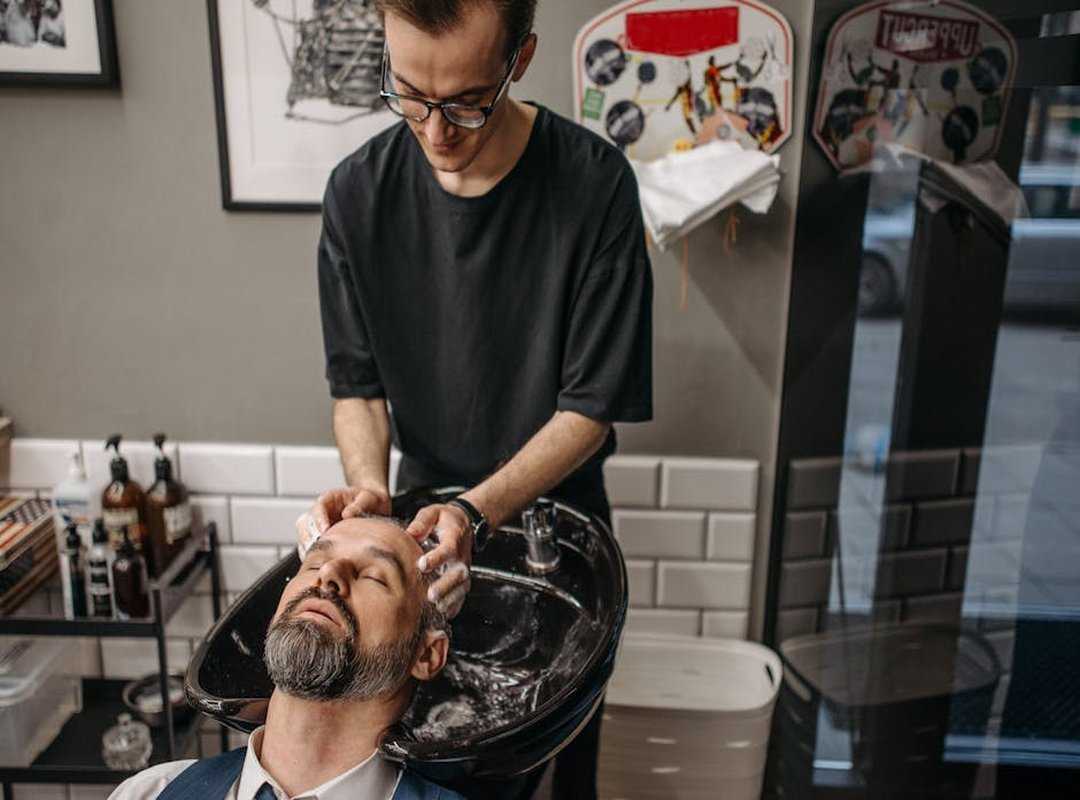
I wash my hair with Luvizac twice a week. Not more. Not less.
Apply a dime-sized amount directly to your scalp. Not your palms, not your ends. Your fingers need to touch the skin.
Wet your hair completely first. I mean soaking. No half-wet scalps.
Massage it in. Gently. Think fingertips, not knuckles.
Focus where the flaking or itching hits hardest.
Now here’s where most people quit too soon: leave the lather on for 3 (5) minutes. Set a timer if you have to. This isn’t shampoo theater.
It’s when the active stuff starts working.
Rinse until the water runs clear. No slippery residue. None.
Use it twice weekly for 2. 4 weeks. Then drop to once a week or as needed. Or follow your doctor’s call.
They’ve seen what yours actually does.
Is Luvizac Shampoo Good for Hair? Yes. But only if you let it sit long enough to matter.
One of the Shampoo Ingredient Luvizac is ketoconazole. It’s FDA-approved for dandruff and seborrheic dermatitis. You can read more about how it works here.
Does Luvizac Actually Fix Your Scalp?
I’ve tried shampoos that just rinse away flakes and call it a day. They don’t work. You know it.
I know it.
Is Luvizac Shampoo Good for Hair? Yes. If your scalp is fighting fungus.
Not dryness. Not stress. Fungus.
That’s what ketoconazole does. It attacks the root cause of dandruff and seborrheic dermatitis. Not the itch.
Not the flaking. The fungus itself.
Most shampoos treat symptoms. Luvizac treats the problem.
You’re tired of washing your hair and still seeing white on your shoulders. Tired of scratching before meetings. Tired of guessing what’s wrong.
If your scalp burns, flakes heavily, or gets red and greasy. Luvizac is worth trying.
But don’t self-diagnose. A dermatologist can confirm it’s fungal (not) psoriasis or eczema.
Go see one. Then try Luvizac. It’s the #1 rated medicated shampoo for this exact issue.
 Senior Hair Health Advisor
Maria is a dedicated professional specializing in hair health and wellness. She brings a wealth of knowledge on how to maintain strong, resilient hair through natural and science-backed methods. Maria’s detailed guides and expert advice help readers enhance their hair health, offering personalized solutions to common hair concerns.
Senior Hair Health Advisor
Maria is a dedicated professional specializing in hair health and wellness. She brings a wealth of knowledge on how to maintain strong, resilient hair through natural and science-backed methods. Maria’s detailed guides and expert advice help readers enhance their hair health, offering personalized solutions to common hair concerns.