Start with Scalp Health
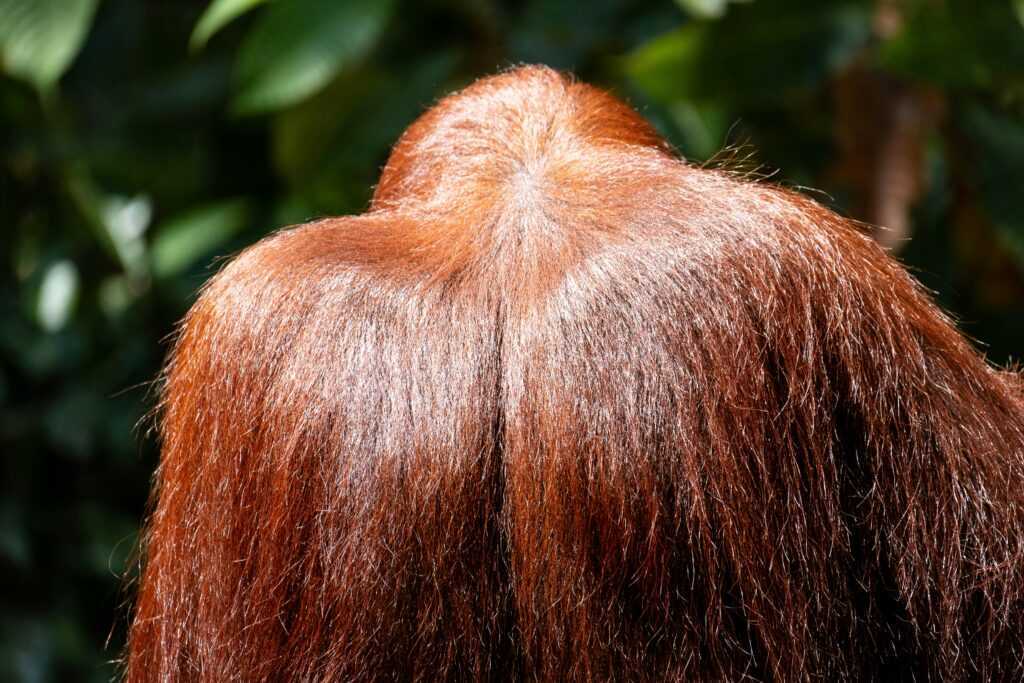
Healthy hair starts at the root literally. If your scalp isn’t in a good place, the rest of your hair won’t be either. Think of the scalp as the soil in which your hair grows. If it’s dry, irritated, or clogged, your strands will struggle no matter how many serums you use.
Daily care doesn’t have to be complicated. A minute or two of gentle scalp massage increases circulation and supports growth. Hydration matters too: drinking enough water and using scalp friendly, moisture balanced products keeps things in check. Look for pH balanced cleansers that clean without stripping natural oils. Skip the harsh stuff if your shampoo stings or leaves your scalp feeling tight, it’s working against you.
Not sure if your scalp needs extra attention? Watch for flakes, itchiness, tenderness, or excess oil. These signs don’t always mean disaster, but they’re a nudge to switch things up. Sometimes, small changes in your routine lead to big improvements in hair health downstream.
Smart Washing Techniques
How often you should wash your hair depends less on rules and more on what your hair actually needs. If you’ve got fine or oily hair, washing every one to two days might make sense. Coarser, curlier types? You’re likely good with once a week, maybe even less. The key is to listen to your scalp not just your schedule. If it’s feeling itchy, tight, or greasy, it may be time.
Water temperature also plays a quiet but important role. Hot water feels great but can strip natural oils fast, leaving hair brittle over time. Lukewarm or cool rinses help seal the cuticle, lock in moisture, and reduce frizz. Not as cozy, but a smarter long term move.
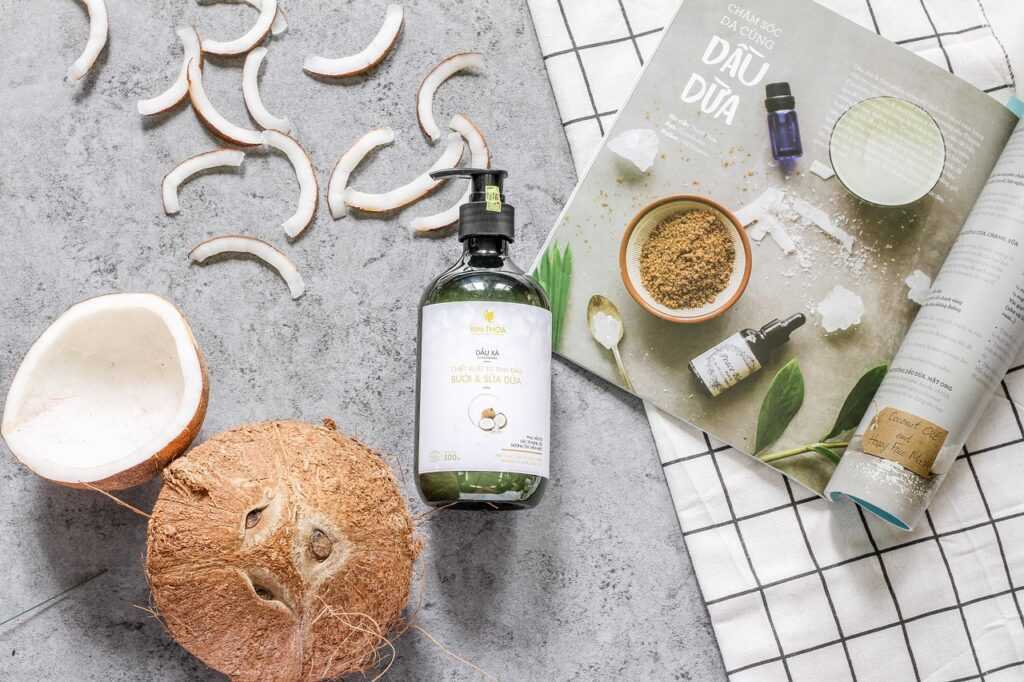
Lastly, let’s talk ingredients. Sulfates might give you that satisfying lather, but they’re often too harsh, especially for textured or color treated hair. Parabens? They’re used as preservatives but have raised enough red flags in wellness circles to keep an eye on. And alcohols there’s a difference. Fatty ones (like cetyl) can moisturize, but quick dry types (like isopropyl) usually dehydrate. Your best bet? Flip the bottle, scan the label, and know what you’re putting on your head.
Daily Nutrition that Shows in Your Hair

You can’t fake healthy hair at least not for long. What you eat shows up at the roots. Key players? Start with biotin. It helps with keratin production, which is basically the foundation of hair strength. Iron and zinc support the hair growth cycle, and if you’re low on either, you’ll feel it in the shower drain. Protein is non negotiable hair is made of it. If you skimp on protein, your strands feel it before you do.
Then there’s hydration. Water keeps hair elastic and less prone to snapping. It also helps nutrients move through your body, getting them where they need to go. Dehydrated roots equal brittle strands.
Quick fixes don’t work, but daily habits do. Breakfast with eggs, spinach, or oats covers a lot of bases. Add salmon or lentils later in the day. Nuts, seeds, and legumes are small but mighty when it comes to zinc and biotin. If your diet isn’t pulling its weight, consider a multivitamin designed for hair health. Just don’t expect miracles overnight this is long game stuff.
Low Stress Styling That Doesn’t Break the Strand
Daily styling plays a major role in the long term health of your hair. Opting for low tension methods and being heat conscious can drastically reduce breakage, thinning, and uneven texture over time.
Choose Protective, Tension Free Styles
Not all hairstyles support hair wellness equally. Prolonged tension from tight ponytails, buns, or braids can lead to traction alopecia and unnecessary breakage. Instead, aim for gentle, supportive styles that don’t pull at the scalp.
Loose buns or low ponytails
Claw clips instead of tight elastics
Braids with minimal tension
Wash and go styles suited to your natural texture
Be Mindful of Heat Exposure
Frequent heat styling can weaken the hair shaft, causing split ends and dullness. If you do use heat tools, use them intentionally and with full protection.
Always apply a heat protectant before blow drying or straightening
Use the lowest effective heat setting for your hair type
Limit heat styling to 1 2 times per week when possible
Heat Alternatives to Try
Avoiding heat altogether? Try these smart, low impact alternatives:
Flexi rods and twist outs for curl definition
Air drying with a microfiber towel or wrap
Roller sets for volume without heat damage
Let Your Hair Rest
Giving your hair breaks between styling sessions is more than just a relief it’s a habit that preserves your strands. Protective styles and no style days allow the scalp and cuticle to recover and build resilience.
Schedule regular “no manipulation” days
Alternate between down styles and protective updos
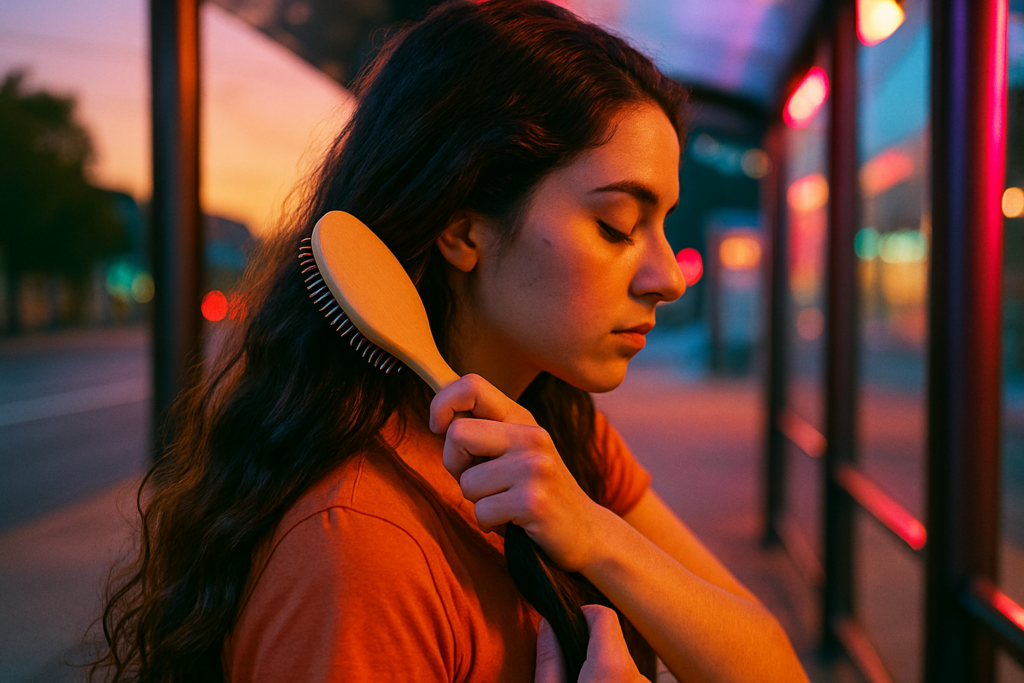
Avoid repeated brushing or combing throughout the day
Building low stress habits into your styling routine protects your hair today and strengthens it for tomorrow.
Right Products, Daily Discipline
Choosing the right hair care products isn’t just about brand loyalty or shelf appeal it’s about understanding your hair type and aligning your routine with your long term wellness goals. A thoughtful, consistent routine can improve texture, minimize breakage, and support natural strength from root to tip.
Build a Routine That Reflects Your Hair’s Needs
Your hair’s porosity, density, curl pattern, and oil production all influence which products work best. Instead of following trends, let your hair texture, daily activities, and environmental exposure guide your choices.
Questions to ask yourself:
Is my hair fine, thick, curly, straight, or coily?
Does my hair get oily quickly, or does it stay dry?
Am I regularly exposed to heat, sun, or pollutants?
Use these answers to assemble a daily routine with your goals in mind whether that’s hydration, strength, volume, or definition.
Product Layering: The Right Way, In the Right Order
How you layer hair products affects how well they absorb and perform. A poorly layered routine can leave buildup or reduce effectiveness.
Effective product layering typically follows this order:
Leave In Conditioner: Apply to clean, damp hair to add moisture and prep the strand.
Moisturizers or Creams: Lock in hydration and soften texture.
Oils: Use sparingly to seal in moisture especially for textured or dry hair types.
Styling Products (if needed): Gels, mousses, or serums go last to hold shape and reduce frizz.
Apply each product evenly and start with smaller amounts to avoid buildup. Overloading can make hair greasy or limp, especially on fine strands.
For More Guidance
Need help building a consistent hair care structure? Check out this helpful guide to building a strong daily hair care routine
It breaks down step by step methods that align with various hair types, helping you stay on track with minimal guesswork.
Sleep and Protection at Night
What you do overnight can make or break the progress you make during the day. Wrapping your hair in silk or satin whether it’s a scarf, bonnet, or pillowcase helps lock in moisture and cut down on friction. Those cheap cotton pillowcases? They’re out here wicking away your oils and snagging strands while you sleep. Not worth the stress.
For textured or delicate hair, protective styles like braids, loose twists, or a pineapple wrap help reduce tangles and breakage overnight. The key is low tension tight styles can strain your roots and reverse all the care you put in earlier.
Come morning, skip the hot tools if you can. Instead, do a light mist with water or a leave in conditioner and gently fluff or reshape. It’s about waking your hair up, not starting over. The less you manipulate it, the more it thrives long term. Nighttime protection isn’t just a bonus it’s part of the routine.
Consistency is the Real Secret
Great hair doesn’t happen overnight. It’s not about the one off mask or that expensive oil you tried last weekend. It’s the simple, quiet things you do every day. Small choices a scalp massage, a gentle detangle, a satin pillowcase compound over weeks. Real change lives in the routine.
Tracking progress helps keep perspective. Hair won’t look wildly different from Monday to Thursday, but by next month? That’s where the results show. So don’t chase miracles. Build habits. Stick to a routine that fits your hair’s needs, and tweak as you learn what works.
Need help setting that rhythm? Tap into this daily hair care routine breakdown to build a system that actually sticks.
 Product Review Expert
Marta is the product guru of the team, with a keen eye for discovering the best hair care products available. She meticulously tests and reviews shampoos, conditioners, styling tools, and treatments to give readers honest, in-depth insights. Marta’s expertise ensures that only the highest quality products are recommended, making her reviews an essential guide for anyone looking to invest in their hair care routine.
Product Review Expert
Marta is the product guru of the team, with a keen eye for discovering the best hair care products available. She meticulously tests and reviews shampoos, conditioners, styling tools, and treatments to give readers honest, in-depth insights. Marta’s expertise ensures that only the highest quality products are recommended, making her reviews an essential guide for anyone looking to invest in their hair care routine.