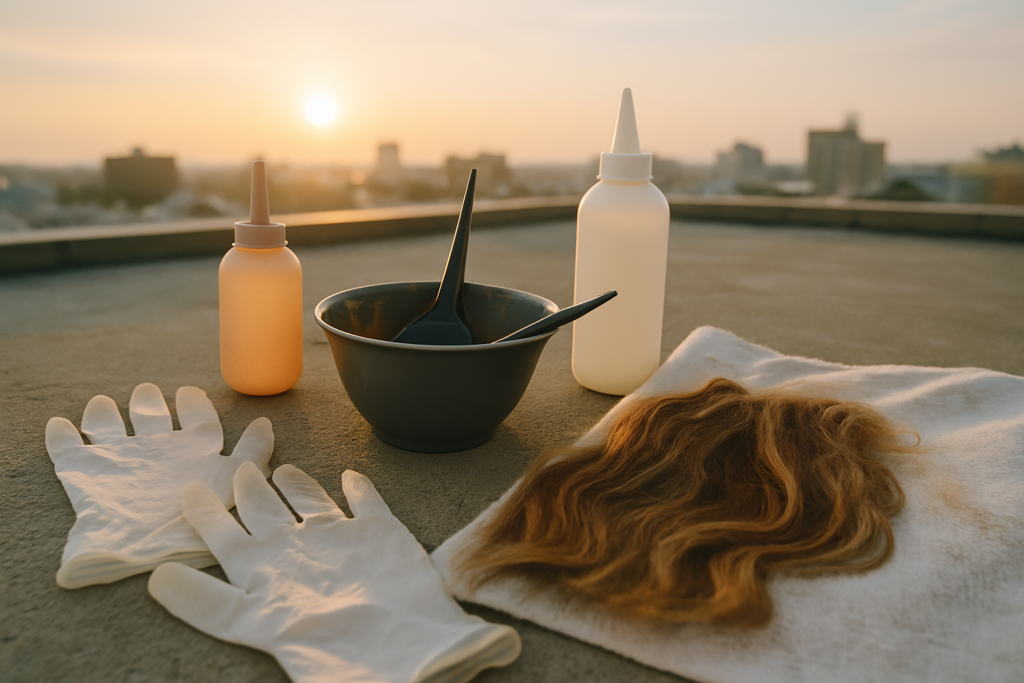
Know Your Skin’s Undertone
Understanding your skin’s undertone is the most important step in choosing the right hair color. While surface skin tone might change with sun exposure or makeup, your undertone stays consistent and it affects how hair color complements your complexion.
The Three Main Undertones
Your undertone will typically fall into one of the following categories:
Warm Undertone: Golden, yellow, or peachy hues beneath the skin
Cool Undertone: Hints of blue, pink, or red beneath the surface
Neutral Undertone: A mix of both cool and warm elements
Simple At Home Tests to Identify Your Undertone
You don’t need professional tools just a few easy tricks to determine your tone:
Check Your Veins: Look at the veins on the inside of your wrist.
Greenish veins? You likely have a warm undertone.
Bluish or purple veins? You’re probably cool toned.
Hard to tell? You might be neutral.
Jewelry Test: Hold both gold and silver jewelry against your skin.
If gold looks better, you’re warm toned.
If silver is more flattering, you’re likely cool toned.
If both suit you, you’re probably neutral.
White T Shirt Test: Put on a plain white top and observe your skin in natural light.
If your skin looks brighter or clearer in white, you’re cool toned.
If it appears more radiant in off white or cream, you may have a warm tone.
Why Undertone Matters More Than Surface Skin Color
Surface skin tone can be deceiving it changes with seasons, products, and lighting. Undertone, on the other hand, is what truly interacts with the pigments in your hair dye. Selecting a shade that harmonizes with your undertone enhances your natural features, while the wrong shade can make your skin look dull, ashy, or washed out.
When it comes to choosing flattering hair color, forget the surface go beneath it.
Matching Color Families to Undertones
Picking the right hair color has less to do with trends and more to do with your skin’s undertone. Let’s keep it simple.
If you have cool undertones think pinkish skin or blue veins ash based shades are your friends. Ashy blondes, cool toned browns, and bold, icy blacks help enhance your natural tone without clashing. Stay away from anything too golden or brassy it risks making your skin look dull.
Warm undertones (golden or yellow skin tones) glow with richer, warmer shades. Golden blondes, copper reds, and honey browns bring out warmth and vibrancy without overpowering you. Cool shades can make warm toned skin seem off or washed out so lean into the heat.
Neutral undertones? You’ve got flexibility. Both warm and cool shades can work but don’t get lazy. You still need to consider contrast. If you go too light or too dark without balance, your features can vanish. Aim for harmony, not drama… unless that’s the look you’re going for.
Need more detail? Check out the full breakdown here: color based on skin tone.
Contrast Counts: Skin Tone + Hair Depth

When it comes to choosing the right hair color, it’s not just about shade it’s also about contrast. The level of contrast between your skin tone and hair color can dramatically influence how vibrant, soft, or striking your overall look appears.
High Contrast Looks: Bold and Dramatic
If you have fair or light skin, pairing it with a deep brunette or jet black can create intense visual contrast. This look is bold, edgy, and eye catching but it’s not for everyone. High contrast is perfect if you want to make a statement or embrace sharp, modern glam.
Examples:
Fair or porcelain skin + inky black hair
Light cool toned skin + deep espresso brown
Good for:
Creating a dramatic presence
Accentuating facial features
Contrasting eye colors (especially blue or green)
Low Contrast Pairings: Soft and Natural
Those with medium to tan skin tones often shine with hair colors that don’t sit far off from their natural shade. Low contrast combinations tend to look more blended and effortless, enhancing your skin’s warmth without overpowering it.
Examples:
Tan skin + golden brown hair
Medium olive skin + honey caramel shades
Good for:
Natural, beachy looks
Easy maintenance with less root visibility
A flattering glow with less makeup needed
Avoiding Wash Out Shades
Going too extreme either too dark or too light can drain the color from your face or make your features appear flat. To stay balanced:
Avoid hair colors that are the exact tone of your skin it creates a dull, mono tone effect.
Stay within 2 3 shades of your natural hair depth for the most foolproof blend.
Think contrast, but not conflict enhance your features, don’t fight them.
Balance is key: whether you aim for high impact or soft harmony, ensure your hair color enhances your skin tone instead of clashing with it.
Maintenance Matters
Hair color doesn’t just come down to what looks good it also has to make sense for your lifestyle. If you’re not the type to hit the salon every four weeks, avoid high maintenance shades like platinum blonde or bold fashion colors that demand constant upkeep. Instead, stick with tones that grow out more gracefully, like soft balayage or colors close to your natural shade.
When it comes to blonding vs. glossing, know this: full on blonding usually means a bigger commitment. Roots show up fast, brass creeps in, and that cool tone you loved at first starts to fade within weeks. Glossing, on the other hand, adds tone and shine without lifting color too far from your base, so it’s easier to maintain and often just needs a refresh every month or two.
Then there’s fading. Every color fades over time especially reds and ash tones. But as it fades, the new undertone can shift how your skin looks. A once golden brown can turn dull and throw off your complexion. This is why maintenance includes not just reapplying color, but adjusting tone with glosses or toners to keep everything balanced.
Bottom line: the less time you want to spend in a stylist’s chair, the more strategic you need to be about your color choice.
Quick Color Rules That Work
There’s no need to overcomplicate it some color rules just hold up. First, avoid going too extreme when working with very pale or very deep skin tones unless you’re going for a bold, deliberate look. High contrast can work, but only if you balance it with makeup or wardrobe tones. Otherwise, it pulls attention in the wrong way.
Second, keep your shade shifts subtle if you’re looking for something that blends into your look naturally. Going no more than two to three shades lighter or darker than your original hair color usually gets the best result with the least guesswork. It’s just closer to home, and easier to maintain.
Lastly, always test before you commit. Use virtual hair color try on tools, or better yet, grab a clip in or hair swatch close to the tone you’re considering. Holding it up to your face under natural light will give you a much clearer read than staring at a filter heavy photo on Instagram.
(Explore more in depth tips: color based on skin tone)
 Product Review Expert
Marta is the product guru of the team, with a keen eye for discovering the best hair care products available. She meticulously tests and reviews shampoos, conditioners, styling tools, and treatments to give readers honest, in-depth insights. Marta’s expertise ensures that only the highest quality products are recommended, making her reviews an essential guide for anyone looking to invest in their hair care routine.
Product Review Expert
Marta is the product guru of the team, with a keen eye for discovering the best hair care products available. She meticulously tests and reviews shampoos, conditioners, styling tools, and treatments to give readers honest, in-depth insights. Marta’s expertise ensures that only the highest quality products are recommended, making her reviews an essential guide for anyone looking to invest in their hair care routine.