Spotting the Most Frequent Dye Mishaps
Hair dye doesn’t always go as planned, especially when you’re doing it yourself. Some problems show up right away others creep in after a day or two. Either way, spotting what went wrong is step one to fixing it.
Uneven color or patchiness usually means the dye wasn’t applied evenly or left on too long in some spots. It also happens when hair has different porosity across sections like roots vs. ends. Rushed application is usually to blame.
Color too dark? You probably left it on too long or picked a shade that processes stronger than expected. Too light? Either the formula wasn’t strong enough or your base color was darker than you thought. Timing and prep matter more than people think.
Unexpected undertones think green, brassy, or overly orange hues are common when lifting dark color or when the underlying pigment reacts with certain dyes. Not understanding your base color or skipping the toner can lead straight to this mess.
Then there’s texture damage dry, crunchy, or brittle hair that breaks easily. This often comes from overprocessing, like overlapping dye on already colored strands or stacking chemical treatments too close together. If your hair feels like straw after coloring, this is your flag.
The good news: these mistakes can usually be fixed. But knowing what kind of mistake you’ve actually made is the first key to undoing it.
Immediate Damage Control
So your hair color went sideways. First rule: don’t panic, don’t overcorrect. What you do in the first 24 to 48 hours matters more than you might think.
Right after a dye job goes wrong, resist the urge to grab more chemicals. No bleaching, no immediate re dyeing. Your hair and scalp need time to settle. Start with a gentle rinse just water, maybe a bit of conditioner especially if the color is uneven or unexpectedly dark. Avoid full shampooing right away; it can lock in unwanted tones or dry your hair out even more.
In that first window, observe. Is your hair brittle? Is your scalp irritated? These signs help you decide how to move forward. If your hair feels compromised (dry, stretchy, breaks easily), you need hydration before anything else. Don’t re dye just yet. Give it at least 48 hours, and in the meantime, load up on bond repair treatments or deep conditioners.
If the result is just a tone issue too brassy, too green wait two days, then consider color correcting products or toners. But if your hair feels fried or looks patchy, step away from the dye entirely. You can’t layer your way out of damage. Regroup first. Patience is repair.
How to Fix the Problem Without Ruining Your Hair
When a dye job doesn’t go as planned, your next steps matter just as much as the mistake itself. Here’s how to safely correct the problem without causing additional damage to your hair.
Tone Out Harsh Colors (Without Causing More Damage)
Seeing streaks of green, brassiness, or unwanted warmth in your hair? Toning can help if you use the right product for your specific issue.
Purple shampoo: Neutralizes yellow or brassy tones in blonde or lightened hair.
Blue conditioner: Balances orange tones typically found in brunettes after lightening.
Green toners: Counteracts red or reddish orange hues from darker dyes gone wrong.
Important: Always patch test first, and don’t overuse toners. Over toning can lead to dull, tinted hair that’s hard to correct again.
Clarifying Shampoos vs. Color Removers: Know the Difference
Both options serve a purpose, but they’re not interchangeable:
Clarifying shampoo: Best for removing excess color from semi permanent or slightly over deposited dye. It works gradually and is less harsh on hair. Use over several washes.
Color removers: Specifically designed to strip permanent dye. They can be drying and should be followed up with deep conditioning treatment. Use only when absolutely necessary.
Avoid using bleach as a quick fix it can backfire hard if your hair is already compromised.
Hydration Rescue Mode: Repair and Replenish
After any color mishap, your priority should be moisture and repair.
Deep conditioning masks: Use once or twice a week to reduce brittleness.
Hair oils: Argan, coconut, or olive oil can help restore elasticity and shine.
Bond repair treatments: Formulas with ingredients like bis aminopropyl diglycol dimaleate (like Olaplex) help rebuild internal hair structure.
Rehydrate before considering re coloring healthy hair lifts and accepts color more evenly.
When to Hand It Over to a Pro
Some situations call for expert help. If your hair:
Feels gummy, mushy, or breaks easily when wet
Has multiple layers of color correcting gone wrong
Turned an unnatural tone you can’t identify
… it’s time to stop trying to fix it at home. Book a consultation with a professional colorist. They’ll assess the safest way forward and possibly save your hair from irreversible damage.
Fixing a dye job doesn’t have to mean more damage. With smart choices, hydration support, and knowing when to ask for help, you can correct color safely and regain hair health.
Choosing the Right Type of Dye Next Time
Most dye mishaps start with the wrong formula. Permanent dye sounds appealing lasting color, full coverage but it’s the most unforgiving when things go wrong. Once it’s in, it’s not going anywhere without serious effort (and possible damage). That’s why for many people, especially if you’re experimenting or unsure, semi permanent is the safer move.
Semi permanent dye doesn’t contain ammonia or peroxide, which means it won’t crack open your hair cuticle and doesn’t change your natural pigment. It gently coats the hair shaft instead. That makes it great for trying out tones, refreshing color between appointments, or covering mild grays. It fades gradually over several washes instead of growing out harshly or sitting brassy for weeks.
Permanent formulas make more sense if you’re dealing with a lot of gray hair or looking for a big, long term transformation. But even then, it’s smart to preview the color with a semi permanent version first if you can.
If you’re not sure about the differences, or whether your situation calls for permanent or semi permanent dye, read up on the basics in this breakdown: Understanding permanent vs. semi permanent dye. Know your tools before you dive in. It’ll save your hair and your time.
Pro Tips for a Smoother Color Journey
First rule: always strand test. Don’t skip it. A quick test on a hidden section can tell you everything you need to know how the color takes to your hair, whether it reacts weirdly, and how much time it really needs. It’s an easy step that saves you from far bigger problems later.
Next, get familiar with your base color and undertones. This is where many people go sideways. If your natural color pulls warm and you ignore that, don’t be surprised when bright blonde turns orange or ash shades go muddy. Know what you’re working with so you’re not just guessing.
Also: don’t dye freshly washed hair. That squeaky clean feeling means all your scalp oils are gone and those oils are what protect you from irritation and help the color stick. The sweet spot? Three days after your last wash. It sounds weird, but a little hair grime keeps things safe.
Finally, don’t slap more dye on top of old dye unless you’re correcting or darkening strategically. Overlapping color especially with permanent dye builds up, causes uneven tones, and leads to serious damage over time. Apply only on new growth or lifted sections if you’re refreshing roots or shifting shade.
Proper prep isn’t glamorous, but it’s what separates a good dye job from a hair disaster.
If You’re Still Unsure…
Some dye jobs cross a line where even the best DIY fix won’t do. If your hair feels gummy when wet, breaks easily, or has gone a color not found in nature (lime green, we’re looking at you) it’s time to see a professional. Chemical corrections can get tricky fast, and a trained colorist can assess damage, balance tones, and map out a recovery plan without risking further breakage.
Before you book that appointment, show up prepared. Ask your colorist these three things: What’s realistically fixable in one session? What’s the long term plan if multiple sessions are needed? And maybe most important what kind of upkeep will this correction require? Honesty goes both ways: bring photos of what you used, how long it processed, and what you’re hoping for. The more your colorist knows, the better the outcome.
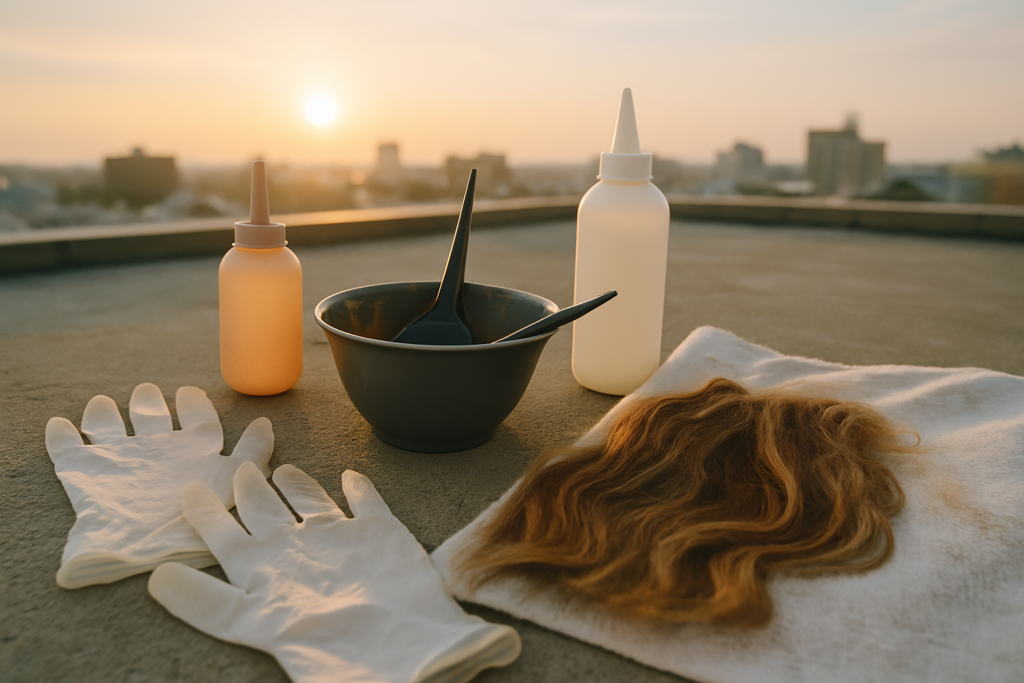
If you’re going to keep coloring at home, invest in the essentials: a professional grade brush and bowl (ditch the squeeze on approach), a quality clarifying shampoo, and bond repair treatments like Olaplex or K18. A digital timer helps avoid overprocessing, and a strand test kit will save you heartache later. With the right tools and a much healthier fear of improvisation, your next coloring session doesn’t have to end in panic.
 Senior Hair Health Advisor
Maria is a dedicated professional specializing in hair health and wellness. She brings a wealth of knowledge on how to maintain strong, resilient hair through natural and science-backed methods. Maria’s detailed guides and expert advice help readers enhance their hair health, offering personalized solutions to common hair concerns.
Senior Hair Health Advisor
Maria is a dedicated professional specializing in hair health and wellness. She brings a wealth of knowledge on how to maintain strong, resilient hair through natural and science-backed methods. Maria’s detailed guides and expert advice help readers enhance their hair health, offering personalized solutions to common hair concerns.