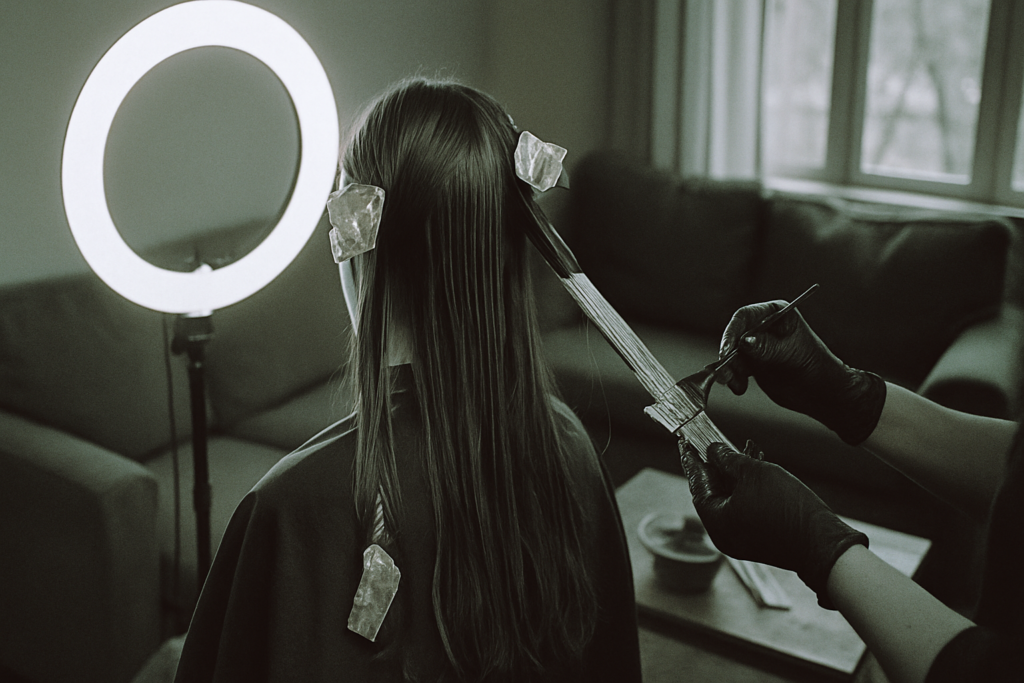
Smart Scalp Diagnostics
Scalp care is getting a high tech upgrade. Real time scalp scanning tools once reserved for pro salons or dermatologists are starting to land in the hands of everyday consumers. These compact devices and camera attachments can now scan for dryness, oil levels, flaking, and inflammation in seconds. Paired with mobile apps, they break down exactly what your scalp needs at any given moment.
But it doesn’t stop at diagnostics. AI powered apps are layering in personalized care routines based on that scan data, factoring in everything from climate conditions to product usage history. What you get isn’t just a skin deep analysis it’s a tailored strategy that updates as your scalp does.
Meanwhile, packaging is no longer just something you recycle. Brands are working on tech integrated bottles and kits that complete the feedback loop a shampoo bottle that tracks usage or a conditioner pod that activates differently depending on scan data. It’s the beginning of a full circle diagnostic system, and it’s redefining how we approach scalp health at home.
Biotech Enhanced Ingredients
Hair care is going high tech without losing its grip on biology. The next wave of ingredients is cleaner, smarter, and far more targeted than the old school formulas we grew up with. Top of the list: lab grown keratin and biomimetic peptides, both designed to copy what your body already makes, minus the animal sourcing. These lab made alternatives deliver function without compromise, and they’re finally ready for scalable commercial use.
But biotech in 2026 isn’t just about replacing old ingredients. It’s about precision. Products are being formulated to work for specific hair concerns think serums tuned for high porosity curls or conditioners that dial into post hormonal shift hair loss. Blanket solutions aren’t cutting it anymore.
And then there’s the scalp, finally getting its due. New formulations are shifting toward microbiome safe chemistry, supporting a balanced ecosystem rather than nuking it with harsh cleansers. The result: fewer flareups, less irritation, and better long term hair health.
We’re not just washing and conditioning anymore we’re training the scalp and strands to function better, on their own.
Customization 2.0
The next frontier in hair care personalization is here, and it’s being driven by deep tech integrations that go far beyond a simple hair quiz.
Genetic Testing Meets Beauty
DNA based hair analysis is beginning to enter the mainstream consumer market. By decoding genetic markers tied to hair texture, density, and potential damage thresholds, brands can now offer products built from a person’s biological makeup.
DNA samples analyzed for unique hair traits
Predictive insights into how hair will respond to different ingredients
More precise targeting of common concerns like breakage, oiliness, and thinning
Personalized Hair Care Kits on Subscription
This rise in bio customization has paved the way for tailored subscription models. Kits are formulated not just based on genetic profiles, but also on dynamic lifestyle inputs such as diet, stress levels, and even climate.
Subscribers fill out detailed intake forms (including optional DNA tests)
Monthly kits adjusted based on input data and seasonal trends
Enhanced engagement through app based check ins and progress tracking
Connected Devices Close the Feedback Loop
The experience doesn’t end with product delivery. Smart brushing tools and scalp sensors are being developed to offer real time feedback on hair health, allowing users to adjust their routines dynamically.
Devices track moisture levels, oil secretion, and product buildup
Data is synced with formulation algorithms to optimize kits over time
Enables continuous refinement based on actual results
Explore the roots of this evolution in our deep dive into the
Hair care in 2026 is no longer one size fits all it’s built on the premise that your biology, habits, and environment are the ultimate beauticians.
Heat Styling Reinvented
Traditional heat tools are facing a serious upgrade. Ultrasonic and infrared technologies are stepping in, aiming to style hair without frying it. Instead of blasting high heat, these new tools use vibration and light to heat strands more evenly and gently, significantly lowering damage over time. Think smooth finishes without the split ends.
Even more interesting? Smart straighteners and curlers now come equipped with sensors that read your hair’s porosity in real time. Translation: the tool adjusts its output depending on whether your hair is coarse, fine, damp, or dry. The guesswork is gone. No more ‘one temperature fits all’ dilemma.
Then there are wearables yes, wearable hair tech. Devices like smart headbands or portable brushes offer low heat styling tweaks throughout the day. They’re meant for touch ups, not transformations, but they’re making it easier to stay polished between full styling sessions.
The trajectory is clear: less damage, more control, and tech that quietly adapts instead of taking over.
Sustainability via Circular Beauty Tech
Hair care is going circular and not in a trendy, buzzword way. More brands are ditching the one and done packaging model. Instead, they’re introducing closed loop systems: refillable containers, trackable bottle return programs, and smart packaging that ties directly into consumer profiles. The goal? Cut waste and keep the cycle clean.
AI is now part of the cleanup crew. Some platforms are mapping consumer waste habits tracking usage patterns, product disposal, even suggesting eco friendly routines in real time. This is less about guilt tripping, more about nudging smarter, lower impact choices at scale.
Meanwhile, behind the scenes, sustainability coalitions are pushing the tech further. Brands that once competed are now sharing processes especially around greener manufacturing and material sourcing. Innovation is no longer siloed. It’s being treated like a shared responsibility.
Sustainability in hair care has been rising fast. See our 2024 overview: Top 5 Hair Care Trends to Watch
Final Watchpoints
Regulation Will Shape the Pace
As with most emerging tech, regulation will be a defining factor in how quickly new hair care technologies reach consumers globally. While innovation is accelerating, adoption will not be uniform across markets.
Expect slower rollouts in regions with stricter product safety and data privacy laws.
Regulatory lag may delay technologies like DNA driven customization and diagnostic wearables.
Brands entering international markets will need agile compliance strategies.
Educating Consumers is Critical
Advanced solutions require informed users. Without clear communication, even the most promising innovations risk low adoption rates.
Transparency around technology use and data handling will build consumer trust.
Brands must invest in content and tools that simplify complex science.
Reliable customer support will be key, especially for personalized or tech integrated systems.
Who Will Lead the Space?
The strongest contenders in the 2026 hair tech space will have more than just flashy features. They’ll blend innovation with values that modern consumers expect.
Functionality: Products that genuinely improve hair care results.
Sustainability: Solutions that minimize waste, emissions, and resource use.
Personalization: Custom offerings that adapt to the user not the other way around.
The standout brands will move beyond hype, focusing instead on verifiable performance and more meaningful user experiences.
 Men’s Hair Care Specialist & Author
Araceline is a unique and valuable contributor, bringing her expert knowledge of men’s hair care and grooming trends. As an experienced author, she shares her deep understanding of hair painting, coloring techniques, and the specific needs of men’s hair. Araceline’s articles are both informative and engaging, offering men practical advice on maintaining stylish, healthy hair.
Men’s Hair Care Specialist & Author
Araceline is a unique and valuable contributor, bringing her expert knowledge of men’s hair care and grooming trends. As an experienced author, she shares her deep understanding of hair painting, coloring techniques, and the specific needs of men’s hair. Araceline’s articles are both informative and engaging, offering men practical advice on maintaining stylish, healthy hair.